What is ALA (Alpha-Linolenic Acid)? Comprehensive Guide for Wellness and Supplement Users

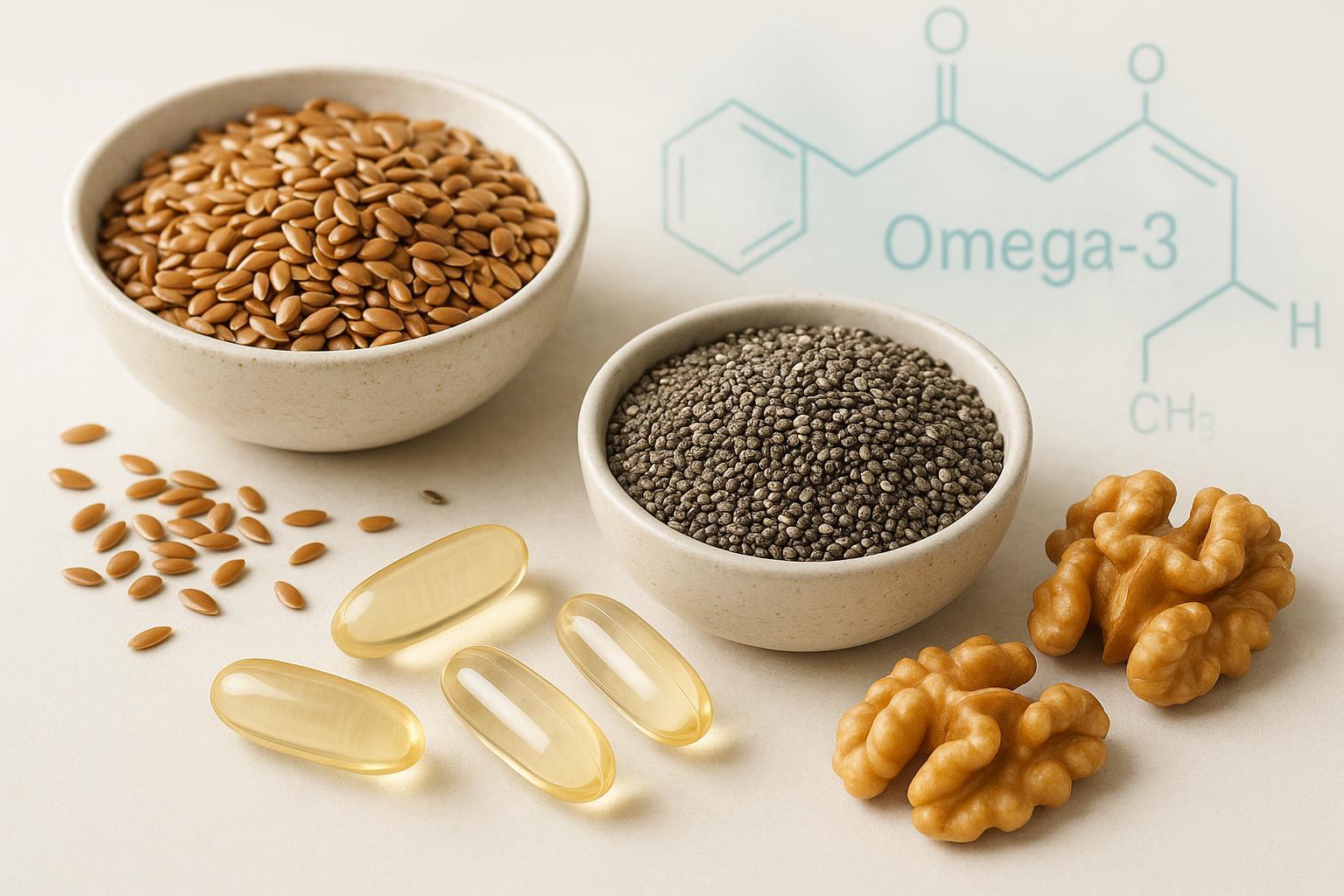
Alpha-Linolenic Acid (ALA) is an essential, plant-derived omega-3 fatty acid that plays a foundational role in human health. Because our bodies cannot produce ALA, it must be obtained through diet or dedicated supplements. ALA is most abundantly found in flaxseed, chia seeds, walnuts, hempseed, and canola oil. Its significance extends from cell membrane health and anti-inflammatory activity to potential cardiovascular and metabolic benefits.¹
ALA vs. Alpha-Lipoic Acid: Clearing Up the Confusion
While both may appear as “ALA” on supplement labels, Alpha-Linolenic Acid and alpha-lipoic acid are entirely different. Clarity here is crucial for safe and informed supplement use.
Compound | Full Name | Type | Natural Sources | Key Role/Use |
|---|---|---|---|---|
ALA | Alpha-Linolenic Acid | Omega-3 fatty acid | Flaxseed, chia, walnuts | Essential fat, heart/cell health |
Alpha-lipoic acid | Alpha-Lipoic Acid | Antioxidant compound | Spinach, broccoli | Supports energy metabolism, antioxidant |
Learn more: What is Alpha-lipoic acid?
Sources of ALA: Foods and Supplements
ALA is found in a variety of plant foods:
Flaxseed & flaxseed oil
Chia seeds
Walnuts
Hempseed & hemp oil
Soybean and canola oils
For those seeking a precise daily dosage, ALA is also available in high-quality nutritional supplements such as softgels, capsules, or vegan omega blends—ideal for individuals with dietary restrictions or specific health goals.
Biological Role & Health Benefits
How does ALA support your health?
Essential Nutrient: ALA cannot be synthesized by the human body; dietary intake is mandatory.²
Cellular Function: Integral to the structure of cell membranes and involved in anti-inflammatory response.
Heart Health: Research links ALA intake to improved cardiovascular wellness and reduced inflammation.¹
Omega-3 Precursor: ALA is metabolically converted (though inefficiently) into EPA (eicosapentaenoic acid) and DHA (docosahexaenoic acid)—omega-3s with direct brain and heart health effects. However, only about 5% of ALA converts to EPA, and less than 1% to DHA in most adults.
Special Note for Vegans & Vegetarians
Because marine omega-3s (EPA/DHA) are absent from plant-based diets, ALA-rich foods and supplements are critical for those avoiding fish or preferring plant-based options. Some individuals may still consider additional algae-based EPA/DHA supplementation for optimal support.
Supplementing with ALA in Your Wellness Routine
Daily Guidelines: Most health authorities recommend adults consume 1.1–1.6 grams of ALA daily, though needs may vary by age, sex, and overall diet.
Safety: ALA from food and quality supplements is generally recognized as safe. Always consult a healthcare provider before adding new supplements, especially if managing chronic health conditions.
How Does Naxttii Health Utilize ALA?
Naxttii Health specializes in science-backed, high-quality supplements—several of which harness the benefits of Alpha-Linolenic Acid:**
Daily Wellness Omega Blend: Features plant-based omega-3s sourced from flaxseed and chia, providing a reliable source of ALA for everyday heart, brain, and immune support.
Men’s Health Performance Capsules: Includes ALA among targeted nutrients to support cardiovascular function, vitality, and systemic wellness—especially suited to men’s unique health demands.
Customer testimonials have highlighted improved energy, immune resilience, and a sense of balance when incorporating these products into daily routines.
Explore Naxttii Health’s full Nutritional Supplements collection to find the right omega-3 solution for your needs.
Quick Comparison Table: ALA, EPA, DHA, Alpha-Lipoic Acid
Compound | Type | Source | Main Benefit/Role |
|---|---|---|---|
ALA | Omega-3 fatty acid | Flaxseed, chia, walnuts | Plant-based omega-3, cell health |
EPA | Omega-3 fatty acid | Fish, algae | Anti-inflammatory, heart, brain |
DHA | Omega-3 fatty acid | Fish, algae | Brain, eye, neural development |
Alpha-lipoic acid | Antioxidant | Vegetables, supplements | Antioxidant, energy metabolism |
Related Concepts
FAQ
Q: Is ALA the same as omega-3?
A: ALA is one of the primary omega-3 fatty acids, but differs from EPA and DHA, which are most commonly found in fish and algae.
Q: Why choose a supplement for ALA?
A: Supplements can help meet consistent daily needs and are especially useful for those with dietary restrictions or higher wellness demands.
Q: How is ALA different from alpha-lipoic acid?
A: Alpha-lipoic acid is a completely different antioxidant compound, not an omega-3 fatty acid.
Take the next step in your wellness journey: Explore Naxttii Health’s premium omega-3 supplements to experience the benefits of plant-based ALA for daily vitality, heart health, and holistic wellness.