What is Ginger? Ginger Definition, Health Benefits & Supplement Uses

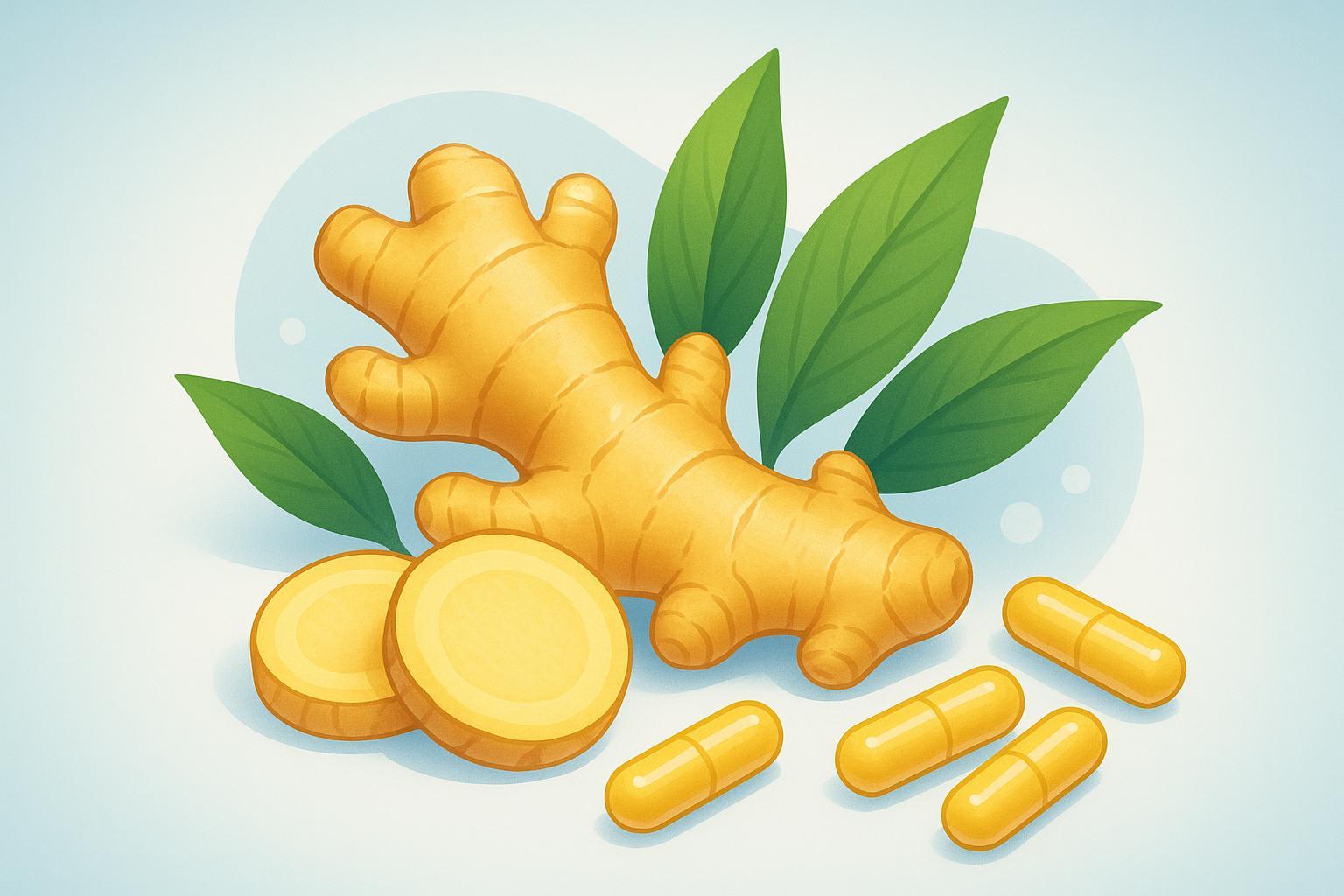
Definition: What Is Ginger?
Ginger (Zingiber officinale) is a flowering plant whose rhizome (root) is widely used both as a spice and as a scientifically validated dietary supplement. The active components in Ginger—primarily gingerol and shogaol—are credited with supporting digestive health, reducing inflammation, and alleviating nausea. According to Hopkins Medicine and Healthline, Ginger's health benefits stem from its unique blend of bioactive compounds, making it a staple in both traditional and modern wellness routines.
How Does Ginger Work? Key Compounds and Mechanisms
Ginger's primary health effects come from gingerol, shogaol, and zingerone, which serve as powerful antioxidants and anti-inflammatory agents. These compounds:
Support digestion by soothing the gut and reducing nausea—often through antagonizing serotonin receptors in the stomach lining.
Combat inflammation by suppressing inflammatory pathways and oxidative stress, which can support joint and muscle comfort.
Bolster immunity through modulation of immune cell signaling, helping maintain general wellness under stress or seasonal changes.
Ginger shows rapid absorption and bioavailability in supplement form, which is why it’s commonly featured in capsules, powders, or chewables—often paired with ingredients like turmeric, curcumin, or magnesium for synergistic anti-inflammatory and digestive effects. Learn more about dietary supplements.
Health Benefits and Supplement Applications
Digestive Health & Nausea Relief
Clinical studies confirm Ginger's effectiveness for reducing mild nausea (including motion sickness and pregnancy-related symptoms), promoting comfortable digestion, and easing bloating after meals.
Anti-inflammatory Action
By blocking key molecular pathways (prostaglandins, oxidative agents), Ginger helps manage everyday joint stiffness and discomfort. Many health-oriented brands blend Ginger with turmeric or magnesium to maximize anti-inflammatory effects.
Immune Support
Regular Ginger supplementation may help modulate immune responses, making it a popular choice in wellness routines that target cold/flu season and overall vitality.
Safety & Dosage
Ginger is considered safe for most adults at doses of 250–1000mg/day. However, because it can mildly affect blood clotting, those on anticoagulant medications or with bleeding disorders should consult a healthcare professional before supplementing. Adverse effects are rare but may include mild heartburn or stomach upset in sensitive individuals.
Ginger in Synergy: Related Concepts
Turmeric & Curcumin: Both share anti-inflammatory properties, but Ginger is superior for nausea and digestive relief, while turmeric excels in chronic inflammation support.
Gingerol & Shogaol: These are the core bioactive compounds responsible for most health effects.
Herbal Medicine: Ginger's evolution from ancient remedy to science-validated supplement demonstrates its cross-cultural significance in holistic health.
Naxttii Health: Ginger and Holistic Wellness
At Naxttii Health, we prioritize science-backed ingredient selection and everyday usability in our supplement offerings. Ginger fits into our philosophy by supporting digestive comfort, immune resilience, and joint health—foundational elements of a healthy lifestyle. Our products are formulated using validated ingredients and expert-reviewed routines, making Ginger a valuable component in blends for:
Digestive comfort and anti-nausea relief
Seasonal immune support
Anti-inflammatory wellness routines
Discover our full product portfolio and explore how Ginger and other proven botanicals can fit your daily health plan: Naxttii Health Official Site
Practical Tips for Integrating Ginger into Wellness Routines
Choose standardized supplements for consistent gingerol content
Try Ginger-based blends for travel, heavy meals, or joint comfort
Always consult your healthcare provider if you take prescription medications
Consider pairing with turmeric or magnesium for holistic anti-inflammatory benefits
Related Reading: Dietary Supplement Basics | Digestive Health Explained | Immunity and Herbal Medicine
Ready to take a science-backed approach to wellness? Start your daily health journey with Naxttii Health.