Magnesium-Rich Foods That Boost Your Wellness


If you want to boost your wellness, try adding magnesium-rich foods like pumpkin seeds, spinach, almonds, and black beans to your meals. These healthy foods help your muscles, nerves, and heart work better. Many people do not get enough magnesium each day, which can affect your energy and health. Check out how much magnesium is in some of the best magnesium-rich foods:
Food Item | Magnesium Content (mg per serving) | Health Benefits | Suggested Consumption Methods |
|---|---|---|---|
Pumpkin Seeds | 156 mg per 1-ounce serving | Supports immune system health | Sprinkle on salads, yogurts, or add to smoothies |
Almonds | 80 mg per 1-ounce serving | Regulates sleep quality | Toss into salads or yogurt |
Spinach | 78 mg per ½-cup boiled serving | Regulates heartbeat | Use in salads, sandwiches, smoothies, or sauté with garlic |
Black Beans | 60 mg per ½-cup cooked serving | Aids stress management | Use in grain bowls, soups, or omelettes |
Banana | 32 mg per medium banana | Supports muscle and nerve function | Eat alone or add to oatmeal or yogurt |
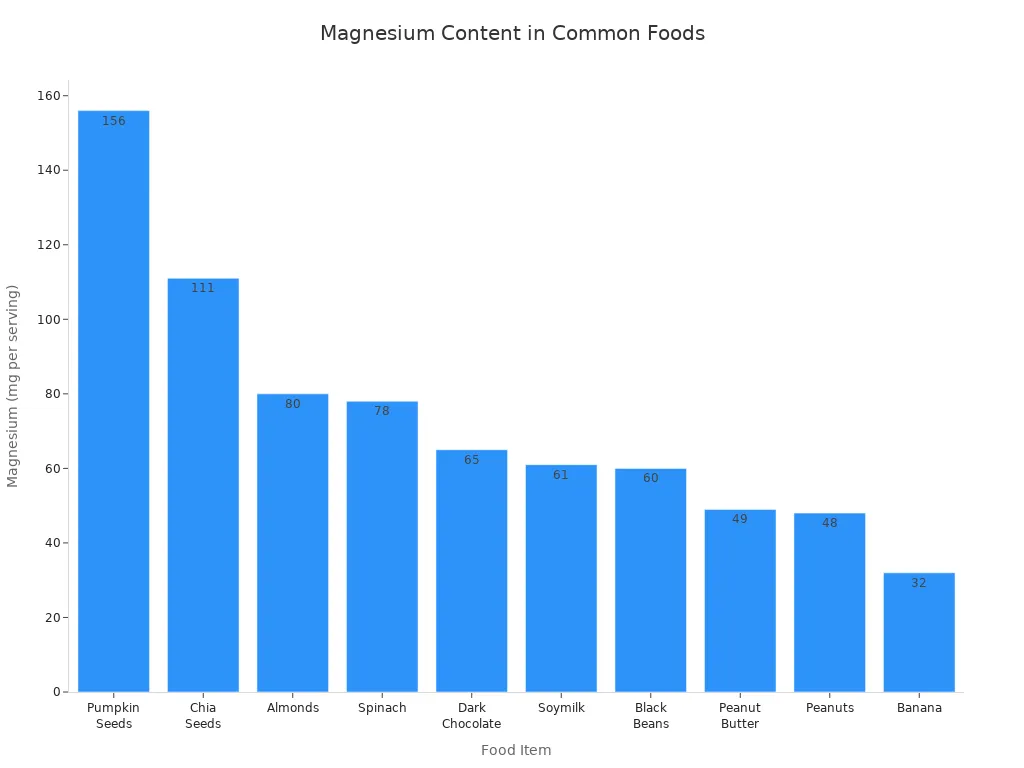
Over half of adults in the U.S. do not meet their daily magnesium needs. Think about your own healthy diet and see if you get enough magnesium from the best magnesium-rich foods. Even small changes can make a big difference in your well-being.
Best Magnesium-Rich Foods
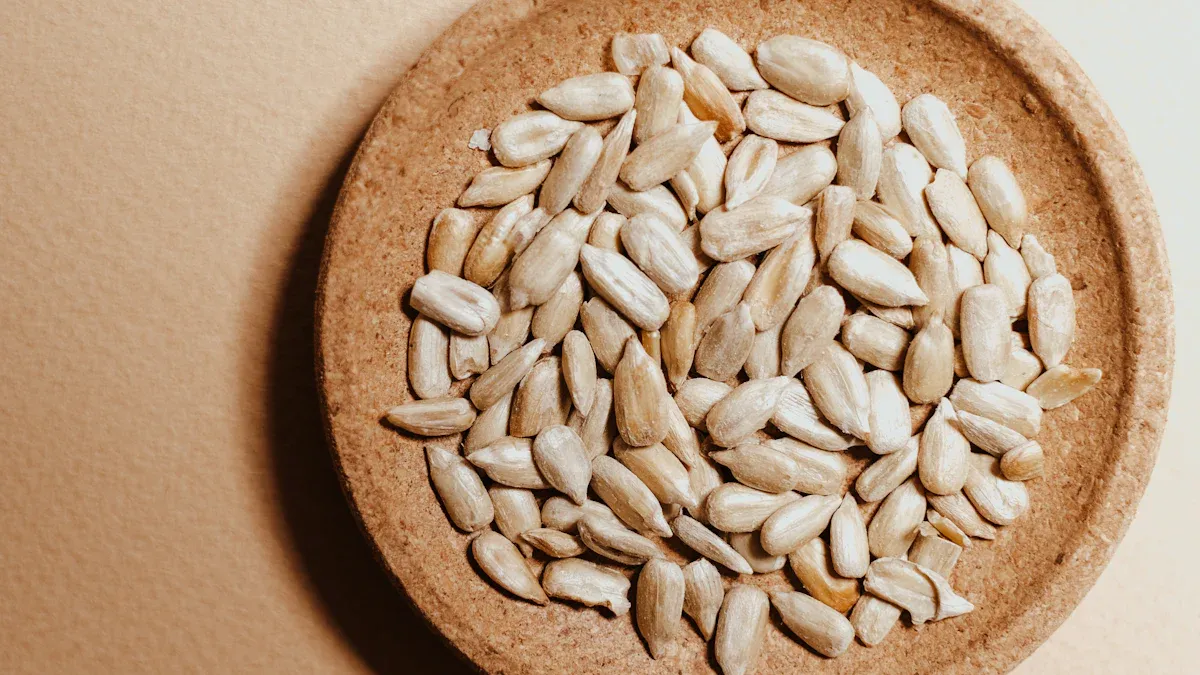
You might wonder which foods pack the most magnesium. Let’s break down the top food sources of magnesium by category so you can easily spot what to add to your plate. These nutrient-dense foods help you meet your daily needs and support your wellness.
Seeds and Nuts
Seeds and nuts are some of the best magnesium-rich foods you can find. They’re high in magnesium and easy to sprinkle on meals or grab as snacks. Check out how much magnesium content you get from the top five seeds and nuts per 100 grams:
Rank | Seed/Nut | Magnesium (mg per 100g) |
|---|---|---|
1 | Pumpkin Seeds | 550 |
2 | Brazil Nuts | 350 |
3 | Chia Seeds | 335 |
4 | Cashews | 292 |
5 | Pili Nuts | 270 |
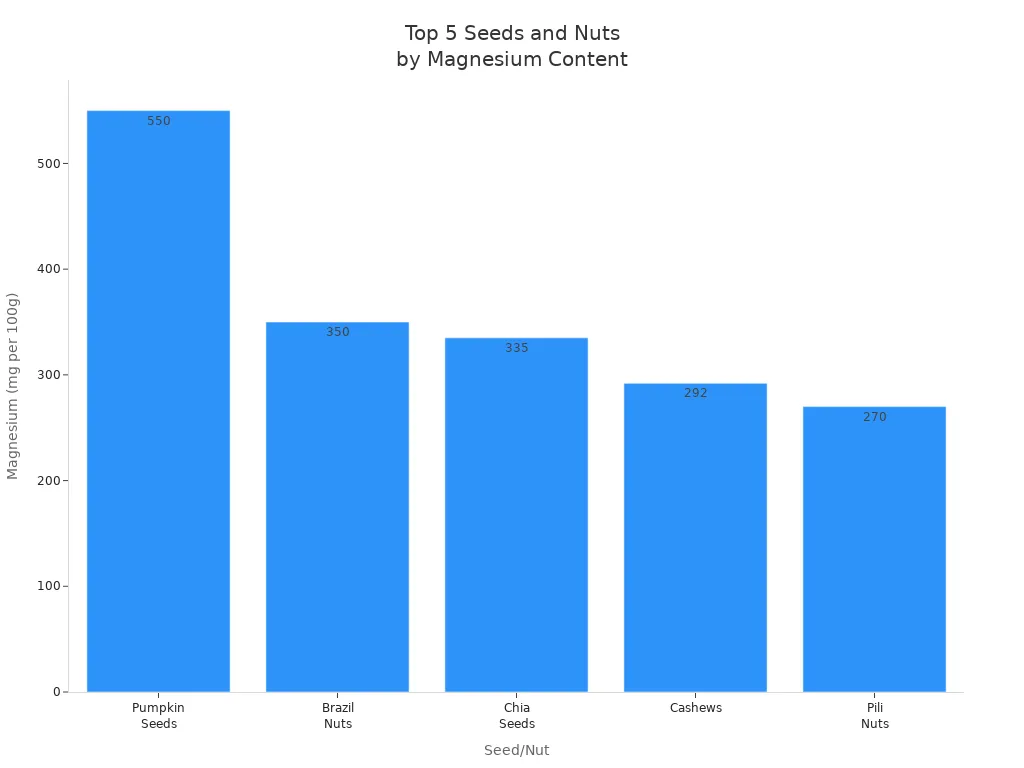
Pumpkin seeds stand out as a superstar. Just one ounce gives you about 156 mg of magnesium, which is 37% of your daily value. Almonds offer 80 mg per ounce, or 19% of your daily needs. You can toss seeds and nuts into salads, oatmeal, or yogurt. Try making a trail mix with cashews, chia seeds, and pumpkin seeds for a snack that’s high in magnesium.
Leafy Greens
Dark leafy greens are natural sources of magnesium and bring lots of other nutrients, too. Spinach, kale, Swiss chard, collard greens, and turnip greens are all foods high in magnesium. Cooked spinach is especially rich, with about 157 mg per cup. Swiss chard is close behind at 151 mg per cup.
Vegetable | Magnesium per Cup Cooked (mg) |
|---|---|
Cooked Spinach | 157 |
Cooked Swiss Chard | 151 |
You can sauté spinach with garlic, add kale to smoothies, or use collard greens as wraps. These dark leafy greens make great sides or salad bases and help you boost your magnesium intake.
Legumes and Soy
Legumes and soy products are plant foods that deliver plenty of magnesium. Black beans, lima beans, and edamame are top picks. A cup of cooked black beans gives you about 120 mg, while lima beans offer 126 mg. Edamame provides 99 mg per cup.
Food Item | Magnesium Content (mg per cooked cup) | % Daily Value (DV) |
|---|---|---|
Black Beans | 120 | 29% |
Lima Beans | 126 | 30% |
Edamame | 99 | 24% |
You can add black beans to grain bowls, soups, or omelets. Edamame makes a tasty snack or salad topping. Tofu and tempeh are also high in magnesium, with firm tofu giving you about 146 mg per cup. Choose minimally processed soy products like edamame, tofu, and tempeh for the best nutrition.
Whole Grains
Whole grains are reliable magnesium sources and easy to include in meals. Quinoa leads the pack with 150 mg per cooked cup. Brown rice has 86 mg, and oats provide 79 mg per cup.
Grain | Magnesium (mg per cup cooked) |
|---|---|
Quinoa | 150 |
Brown Rice | 86 |
Oats | 79 |
Swap white rice for brown rice, use quinoa in salads, or start your day with oatmeal. These foods high in magnesium help you stay energized and full.
Fruits
Fruits add color and flavor while boosting your magnesium intake. Avocado is the richest fruit source, with a medium avocado offering 58 mg. Strawberries, pineapple, cherries, oranges, and mangoes also provide magnesium.
Fruit | Typical Magnesium Content per Serving |
|---|---|
Avocado | 58 mg per medium avocado |
Strawberries | 21 mg per 1 cup sliced |
Pineapple | 20 mg per 1 cup raw |
Cherries | 15 mg per 1 cup sweet cherries |
Orange | 15 mg per 1 orange |
Mango | 15 mg per 1 cup raw |
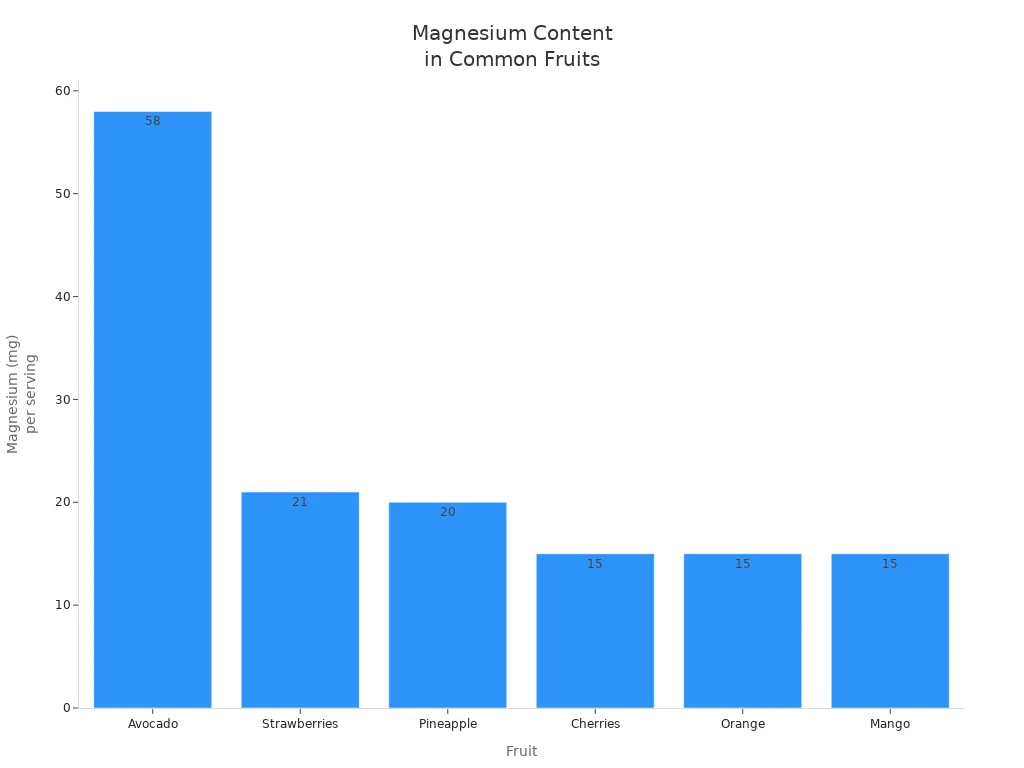
You can slice avocado on toast, blend berries into smoothies, or snack on bananas, which have about 32 mg per medium fruit. These natural sources of magnesium also support gut health and digestion.
Dairy
Dairy products are often overlooked as magnesium-rich foods, but they play a key role in many diets. Milk, yogurt, and cheese all contribute to your daily magnesium intake. Nonfat chocolate yogurt has 68 mg per container, while a 16-ounce glass of milk provides about 54-63 mg.
Dairy Product | Serving Size | Magnesium (mg) |
|---|---|---|
Nonfat Chocolate Yogurt | 1 container (6 oz) | 68 |
High Fat Milk (3.7% Fat) | 16 oz glass | 63.4 |
Skim Milk (fat free or skim) | 16 oz glass | 53.9 |
Grated Parmesan Cheese (Low-Sodium) | 1 cup, grated | 51 |
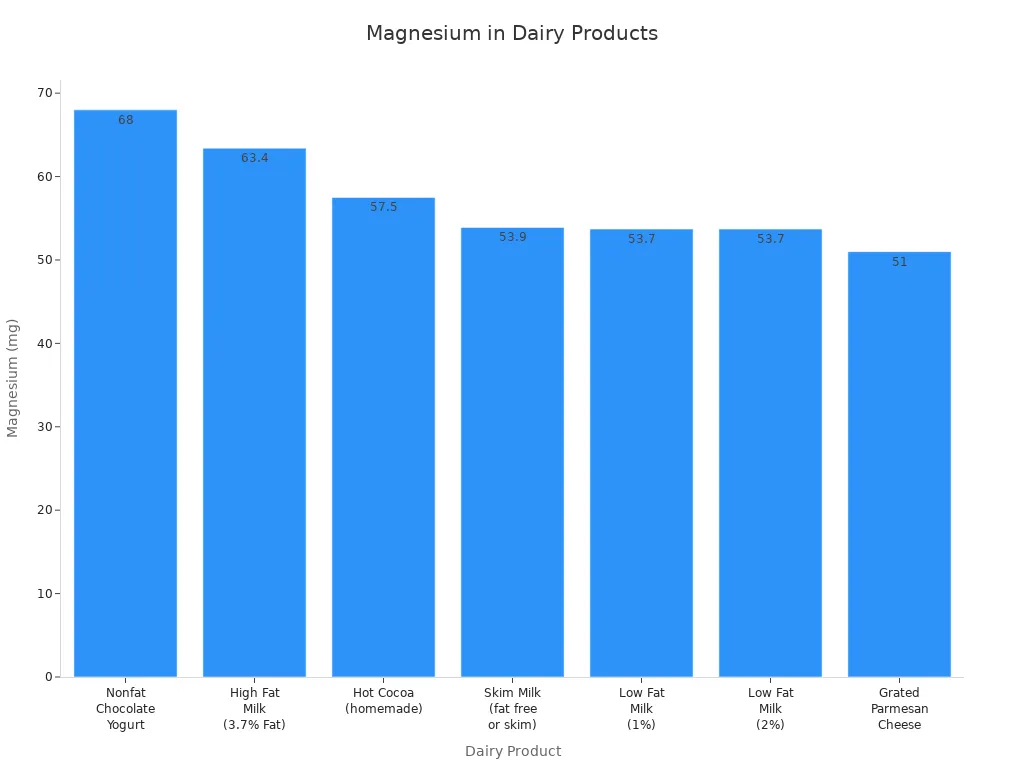
A cup of plain whole milk yogurt gives you 40-50 mg, and Greek yogurt offers 20-30 mg per cup. You can enjoy yogurt with fruit, drink milk, or sprinkle cheese on salads and pasta.
Fish and Seafood
Fish and seafood are top food sources of magnesium, especially fatty fish like salmon and mackerel. Salmon provides about 104 mg per 3-ounce serving, and mackerel gives you 83 mg. Other seafood options include halibut, tuna, crab, oysters, and sardines.
Fish/Seafood Type | Magnesium Content (mg per 100g) |
|---|---|
Chinook salmon | 122 |
Mackerel | 97 |
Pollock | 86 |
Ling | 81 |
Anchovy | 69 |
Sea bass | 53 |
Sardine | 39 |
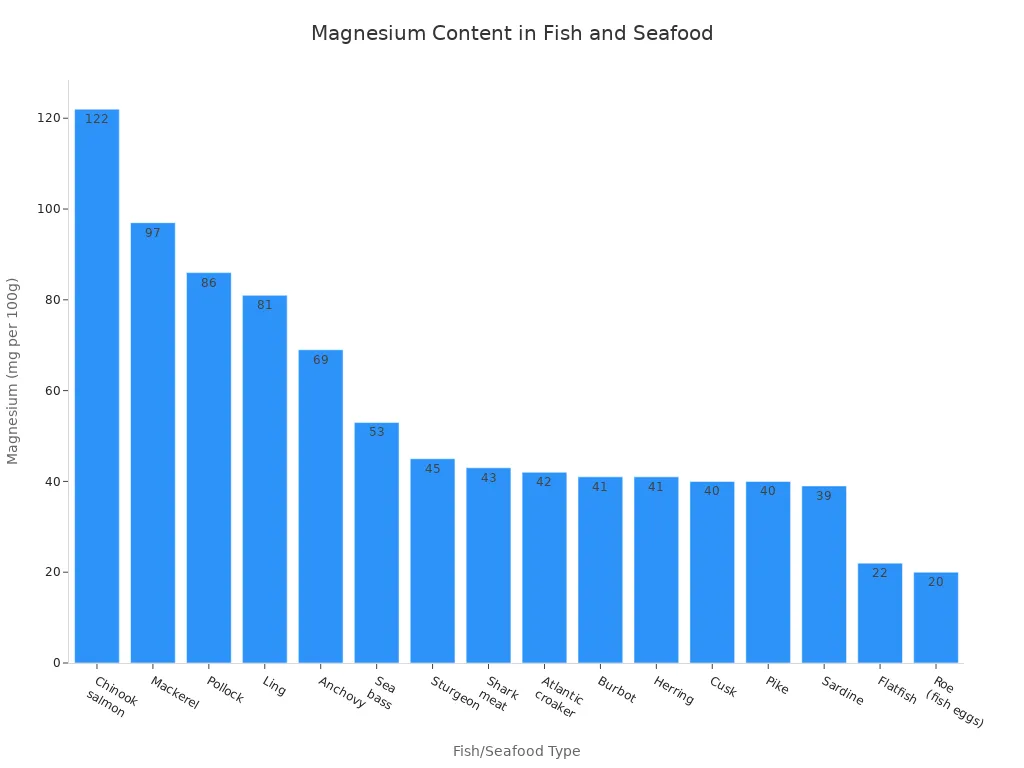
Try grilled salmon, canned sardines on crackers, or mackerel in salads. Health experts suggest eating seafood 2-3 times a week to help meet your magnesium needs.
Dark Chocolate
If you love chocolate, you’ll be happy to know that dark chocolate is high in magnesium. A 1-ounce serving of dark chocolate (70-85% cocoa) gives you about 65 mg, or 16% of your daily value. A 1.5-ounce bar can provide up to 15% of your daily magnesium requirement.
Cocoa Percentage Range | Magnesium Content per Serving (mg) |
|---|---|
35% - 60% | 24 - 48 |
60% - 69% | 50 |
70% - 85% |
You can enjoy a square of dark chocolate as a treat or melt it into oatmeal. Dark chocolate is one of the most delicious magnesium-rich foods and makes it easy to boost your intake.
Tip: Mix and match these foods high in magnesium throughout your day. Try a spinach salad with pumpkin seeds, a bowl of quinoa with black beans, or a yogurt parfait with berries and dark chocolate shavings. Small changes add up!
Magnesium Benefits

Energy and Metabolism
You need energy for everything you do, from walking to thinking. Magnesium helps your body turn food into energy. It acts as a helper for over 600 reactions in your cells, including those that make ATP, the main energy source for your body. Without enough magnesium, your cells cannot work well, and you may feel tired or weak.
Magnesium supports the breakdown of carbohydrates, fats, and proteins.
It helps your muscles recover after exercise and keeps your energy steady.
Your body uses magnesium to make DNA and RNA, which are needed for cell growth.
Did you know? Magnesium deficiency can make you feel low on energy and slow down your metabolism.
Mineral Balance
Magnesium works closely with other minerals like calcium and potassium. These minerals keep your muscles, nerves, and heart working smoothly. Magnesium helps control the flow of calcium and potassium in and out of your cells. This balance is important for your heartbeat, muscle movement, and nerve signals.
If you do not get enough magnesium, your body may struggle to keep this balance. This can lead to muscle cramps, irregular heartbeat, or even more serious problems. Eating a healthy diet with enough magnesium supports optimal health and keeps your mineral levels in check.
Blood Sugar and Heart Health
Magnesium plays a big part in controlling blood sugar. People who eat more magnesium-rich foods have a lower risk of type 2 diabetes. Studies show that magnesium helps your body use insulin better and keeps your blood sugar steady. If you have low magnesium, you may have trouble with blood sugar control.
Magnesium also protects your heart. It helps lower blood pressure and keeps your blood vessels healthy. Getting enough magnesium can lower your risk of heart disease and improve your overall wellness.
Health Benefit | How Magnesium Helps |
|---|---|
Blood Sugar Control | Improves insulin sensitivity and glucose regulation |
Heart Health | Lowers blood pressure and supports heart function |
Energy Production | Powers over 600 body reactions, including ATP making |
Tip: Eating magnesium-rich foods every day gives you many health benefits of magnesium, from better energy to a healthier heart.
Daily Magnesium Needs
Recommended Intake
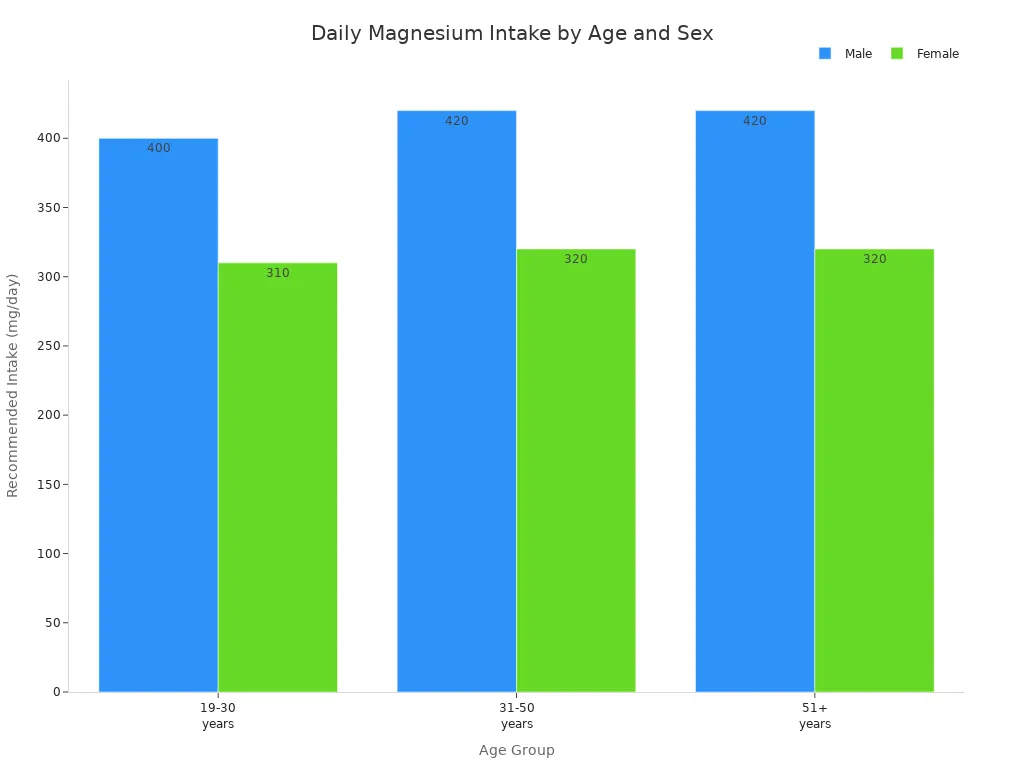
You might wonder how much magnesium you need every day. The answer depends on your age, gender, and life stage. Most adults need between 310 and 420 mg of magnesium daily. Men usually require a bit more than women. If you are pregnant or breastfeeding, your needs go up.
Here’s a quick look at the recommended daily intake of magnesium for adults:
Age Group | Male (mg/day) | Female (mg/day) |
|---|---|---|
19-30 years | 400 | 310 |
31-50 years | 420 | 320 |
51+ years | 420 | 320 |
Pregnant women should aim for about 350-360 mg each day. If you are older, your body may not absorb magnesium as well, so you might need to pay extra attention to your magnesium intake.
Tip: Check food labels and nutrition guides to track your daily intake of magnesium. This helps you stay on target and avoid falling short.
Meeting Needs with Foods High in Magnesium
You can meet your daily magnesium needs by choosing foods high in magnesium. Plant foods like nuts, seeds, legumes, whole grains, and leafy greens offer the best magnesium content. Try to eat a mix of these foods every day.
Here’s a table with some easy options:
Food Category | Example & Serving Size | Magnesium Content (mg) |
|---|---|---|
Nuts & Seeds | Pumpkin seeds (1 oz) | 150 |
Almonds (1 oz) | 80 | |
Chia seeds (1 oz) | 111 | |
Legumes | Black beans (1/2 cup) | 60 |
Whole Grains | Quinoa (1 cup cooked) | 150 |
Leafy Greens | Spinach (1 cup cooked) | 157 |
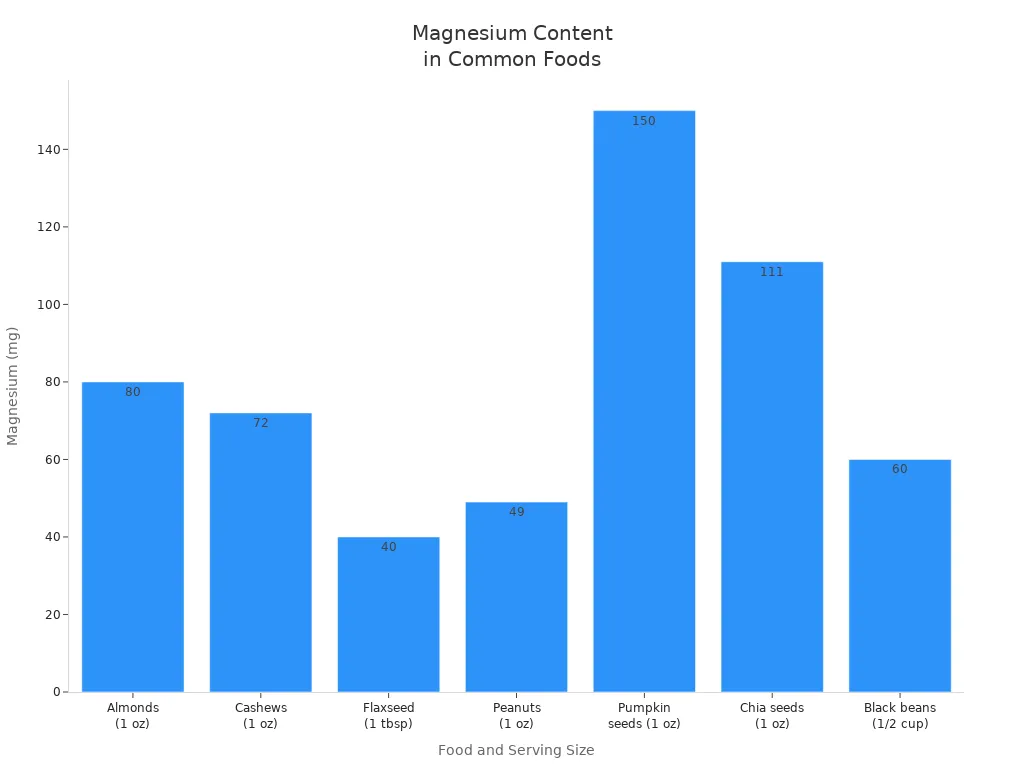
You can boost your magnesium intake by adding nuts to your breakfast, tossing seeds on salads, or enjoying a bowl of beans with dinner. Aim for five servings of fruits and vegetables, three servings of whole grains, and a handful of nuts or seeds each day. This food-first approach helps you get enough magnesium without relying on supplements.
Note: Most people fall short on magnesium because they skip plant foods. Make small changes to your meals, and you’ll see big benefits for your health.
How to Add Magnesium-Rich Foods
Easy Meal Ideas
Looking for simple ways to boost your intake? Try mixing and matching foods from your magnesium-rich shopping list. Here are some tasty ideas you can use any day of the week:
Add a handful of spinach to your morning smoothie or scrambled eggs.
Top your oatmeal with banana slices and a sprinkle of almonds.
Make a salad with spinach, avocado, and walnuts for lunch.
Toss black beans and sunflower seeds into a grain bowl with quinoa.
Try black bean tacos topped with avocado and a dash of sesame seeds.
Sprinkle sunflower or sesame seeds over stir-fries, salads, or even muffins.
Enjoy a yogurt parfait with berries and a few pumpkin seeds for a snack.
Tip: Combining several foods from your list in one meal helps you get more nutrients in every bite.
Cooking and Preparation Tips
How you cook your food matters. Some methods help keep more minerals in your meals. Boiling vegetables or grains in lots of water can wash away minerals, including magnesium, because they leach into the water. Steaming, microwaving, and stir-frying keep most of the good stuff in your food. Baking and roasting root vegetables with their skins on also help lock in nutrients.
Here are some easy tips to keep more minerals in your meals:
Avoid boiling leafy greens in too much water. Steam, stir-fry, or lightly sauté them instead.
If you must boil, use as little water as possible.
Cook root veggies with the skin on and try baking or roasting them.
Grill, bake, or steam fish and seafood at lower temperatures.
Skip heavy sauces and seasonings that can cover up natural flavors.
Eat fresh fruits raw to keep their minerals.
Try pairing your favorite foods with garlic, lemon juice, or yogurt. These extras can help your body use minerals better.
Adding magnesium-rich foods to your healthy diet can help you feel better every day. You might notice more energy, stronger bones, and a sharper mind. Try small changes like eating more leafy greens or nuts. These simple steps can lower your risk for heart problems, diabetes, and migraines.
Eating more whole foods boosts magnesium levels and supports healthy aging.
People who eat magnesium-rich foods often have better brain health and less chance of memory loss.
Wellness Benefit | How Magnesium Helps You |
|---|---|
Keeps blood pressure steady | |
Bone Strength | Improves bone density |
Migraine Prevention | Reduces headache frequency |
Cognitive Function | Supports memory and learning |
Start today and see how easy it is to make a difference for your future!
FAQ
What are the signs that I might not get enough magnesium?
You might feel tired, get muscle cramps, or have trouble sleeping. Sometimes you notice headaches or feel stressed more easily. If you see these signs often, try adding more magnesium-rich foods to your meals.
Can I get too much magnesium from food?
You usually cannot get too much magnesium from food. Your body removes extra magnesium through urine. Problems only happen if you take high-dose supplements. Stick to food sources for safety.
Are magnesium supplements better than food?
Food gives you magnesium plus other nutrients your body needs. Supplements help only if your doctor says you need them. Try to meet your needs with whole foods first.
Which meal of the day is best for eating magnesium-rich foods?
You can eat magnesium-rich foods at any meal. Try adding seeds to breakfast, leafy greens at lunch, or beans at dinner. Spread them out for steady energy all day.
Tip: Mix different magnesium-rich foods in your snacks and meals. This helps you get more benefits and keeps your meals interesting!