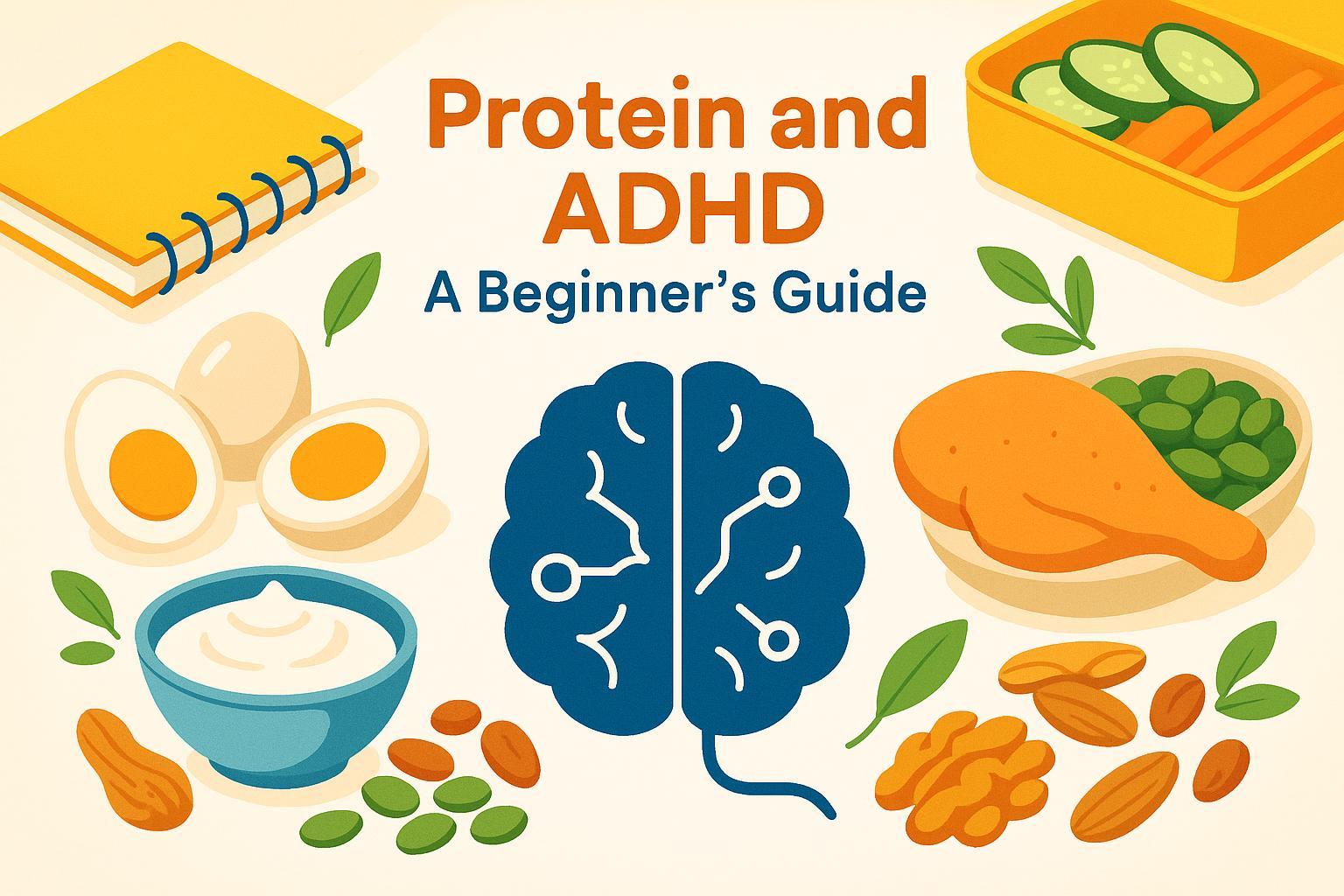
Protein and ADHD: A Beginner’s Guide to Understanding the Connection

Welcome! Why This Guide Is Your Starting Point
If you’re new to understanding Attention Deficit Hyperactivity Disorder (ADHD), or how nutrition can help with focus and energy, you’re in the right place. Whether you’re recently diagnosed, a supportive parent, or just wanting to feel your best—this guide is designed for absolute beginners. You’ll learn how protein relates to ADHD and how small changes in your diet can make a big difference in daily life. We’ll break down the science, bust myths, and help you take real action.
1. What Is ADHD? A Simple Introduction
ADHD is a common neurodevelopmental disorder—which means it’s related to how the brain grows and works. People with ADHD often struggle with focus, impulsiveness, and hyperactivity. This happens because of differences in brain chemicals called neurotransmitters (think of them as messengers that help your brain work smoothly). The two main ones involved are dopamine (helps with motivation and focus) and norepinephrine (supports alertness and attention).
👉 Quick fact: ADHD affects both children and adults. The Centers for Disease Control and Prevention estimates about 8-10% of children and 4-5% of adults have ADHD. (CDC reference)
2. Why Nutrition Matters for ADHD
Food = Fuel for Your Focus
Your brain needs a balanced mix of nutrients to work well. Nutrition isn’t a cure for ADHD, but smart eating can support attention, mood, and energy. Among all nutrients, protein stands out.
3. Protein: The Basics Explained
Protein is a nutrient found in foods like meat, eggs, dairy, beans, nuts, and some grains. It’s made of smaller parts called amino acids. Think of amino acids as the building blocks used to make important substances in your body—including the neurotransmitters that help manage focus and mood.
Common protein-rich foods:
Eggs
Greek yogurt
Chicken or turkey
Beans and lentils
Tofu or tempeh
Cheese sticks
Nuts and seeds
Fish (tuna, salmon)
Tip: Both animal and plant sources work! Variety helps.
4. The Protein–ADHD Brain Connection
How Does Protein Influence ADHD?
When you eat protein, your body breaks it down into amino acids—especially tyrosine and tryptophan. These are like raw materials for building neurotransmitters:
Tyrosine helps make dopamine (focus, motivation)
Tryptophan helps make serotonin (mood, calmness)
If your brain has the right tools, it’s better at sending the signals that control attention, emotional balance, and behavior.
Science Spotlight:
Studies show that consistent, well-distributed protein intake throughout the day can reduce hyperactivity, stabilize energy, and support focus—especially for those with ADHD (peer-reviewed source).
Analogy: Imagine building a house. Protein is like the bricks and concrete; it gives your brain what it needs to construct the pathways that help you pay attention and react calmly.
5. Separating Myth from Fact
Myth: "A single protein supplement will cure ADHD." Fact: While protein helps, it’s part of a bigger plan—balancing meals, sticking to routines, and working with medical advice.
Myth: "Only expensive protein powders work." Fact: Everyday foods—like boiled eggs, cheese, canned beans—are just as effective for beginners.
More myths and truths:
Supplements such as amino acids may help as part of a broader, expert-backed strategy, but aren’t magic bullets.
Medication and nutrition often work best together.
🔍 Authoritative reference: Jackie Silver Nutrition on protein and ADHD
6. Best Practices: How to Add Protein Into Your ADHD-Friendly Routine
Daily Action Steps:
a) Spread your protein intake:
Aim for protein at every main meal (breakfast, lunch, dinner) and at least one snack.
Target 20–30g per meal (like two eggs + yogurt, or a chicken wrap).
For snacks, try 10g protein (like a cheese stick + nuts).
b) Use a meal planner or checklist:
Print a weekly log—track what you ate, and note your focus or mood (free template below; if unavailable, create your own or use any basic table).
Try beginner-friendly apps like MyFitnessPal or Bitepal for easy tracking.
c) Prep protein in advance:
Batch-cook chicken, tofu, or boiled eggs; store them in snack boxes.
Use gadgets: blender (smoothies), air fryer (quick chicken), slow cooker (stews).
d) Smart snacks for busy days:
Nut butter on whole-grain crackers
Greek yogurt with berries
Hummus with veggie sticks
Tuna or beans in small containers
Printable Protein Planner: PDF meal plans may not be available currently; you can use a notebook or standard food tracker as an alternative.
7. Naxttii Health: Nutrition Made Convenient
As you build your meal plan, you may run into roadblocks—busy mornings, low appetite, or just being overwhelmed. Naxttii Health offers expert-approved nutritional supplements tailored to support focus, energy, and overall well-being. Their products are based on scientific research and strict quality standards, including formulas for:
Everyday protein support (e.g., high-quality capsules/chews)
Energy and cognitive function (Tongkat Ali, Maca, Shilajit—specially blended options)
Sleep and mood support—useful for balancing busy ADHD routines
Explore Naxttii Health’s range: Discover products and science-backed guides
Why Naxttii Health?
Trusted formulations for men’s health, immunity, and daily energy
Expert blog resources for beginners and families
Focus on safety, quality, and easy integration into daily life
8. Real-World Success Stories: How Protein Changed My ADHD Routine
Case Study 1: Family Breakfast Reset
“After adding eggs and Greek yogurt to breakfast, my son’s teachers reported fewer mid-morning distractions. We now prep hard-boiled eggs on Sundays—quick for everyone!”
Case Study 2: The Busy Professional’s Snack Box
“I fill lunchboxes with cheese sticks, jerky, and nuts each week. Using a checklist makes it easy. I notice fewer afternoon crashes and better focus in meetings.”
Case Study 3: Expert Support for Picky Eaters
“When my appetite is low, I rely on Naxttii Health’s protein chews. They’re simple and don’t upset my stomach. Batch-cooking chicken also helped keep meals regular.”
9. Interactive Tools & Downloadables (For You!)
Protein Intake Checklist (example from CDC; if not accessible, simply list protein foods and check off daily servings in any notebook)
Weekly ADHD Meal Planner (ADDitude template may be unavailable; use any calendar or table worksheet to log meals and protein)
Focus & Protein Log: Write down daily protein and note changes in attention or mood.
Recommended Apps:
Beginner’s Troubleshooting:
Forgot a meal? Prep emergency snacks.
Picky eater? Mix favorite flavors into protein-rich foods—like cheese in pasta or nut butters in smoothies.
10. Frequently Asked Questions (FAQs)
Q: How much protein do I need each day? A: Aim for 0.8–1.2g per kg body weight, spread evenly. Most people do well with 20–30g per meal.
Q: Can protein really help my focus? A: Evidence shows balanced protein intake supports neurotransmitter function linked to attention (ADDitude Magazine article reference). Results vary by individual, but many report improved focus and steadier moods.
Q: What if I forget to eat or lose my appetite? A: Prep quick protein snacks (eggs, yogurt, Naxttii chews) and keep them accessible. Use planners and reminders!
Q: Are supplements safe for beginners? A: Look for third-party-tested brands like Naxttii Health. Always check ingredients and consult your healthcare provider.
Q: What’s the number one tip for ADHD-friendly eating? A: Make protein the ‘centerpiece’ of every meal/snack—use checklists to remind yourself.
11. Summary & Your Next Step!
The protein–ADHD connection is real, and practical changes can start today. Use this guide to build simple routines—batch-cook, snack smart, and try new protein options. Tap into interactive tools and expert product support from Naxttii Health for extra convenience and assurance.
Take Action Now: Explore Naxttii Health’s expert products and guides—your daily wellness starts here! Download checklists, connect with community forums, and celebrate every win on your journey.
Further Learning & Community Support
ADDitude Magazine ADHD Nutrition Section (link currently unavailable, visit the main ADDitude site for more info)
CDC: Healthy Eating for ADHD (link currently unavailable, visit CDC main site for more info)
Naxttii Health’s Expert Articles & Resources
Remember: Every meal is a new start. You’ve got this! Support, science, and simple tools are here for you.